 Jinan Alston Equipment Co.,Ltd.
Key Features for Beer fermentation tank Design
The design of a beer fermentation tank is one of the most important factors affecting brewing performance and beer quality. While tanks may look similar from the outside, the internal structure, cooling system, and manufacturing details can vary significantly.
A well-designed beer fermentation tank not only improves fermentation efficiency but also reduces operational issues and ensures consistent results. In this article, we explore the key design features every brewer should understand.
1.Conical Bottom Design
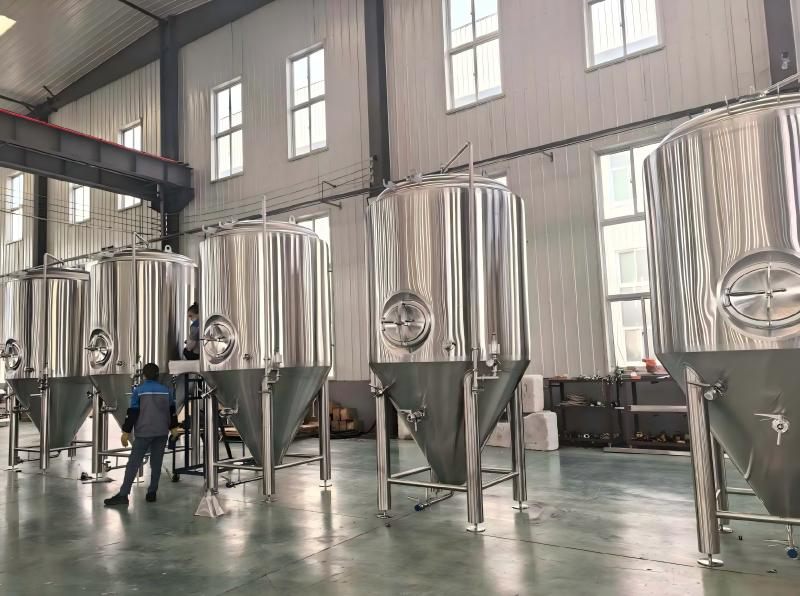
One of the most important features of a modern fermentation tank is the conical bottom.
Typically designed with a 60-degree cone angle, this structure allows:
Fast yeast sedimentation
Easy yeast collection and reuse
Reduced beer loss during discharge
Compared to flat-bottom tanks, conical fermenters significantly improve process efficiency and are now widely used in both craft and commercial breweries.
2.Cooling Jacket System
Temperature control is critical in fermentation, and the cooling system is a core part of tank design.
Most high-quality tanks use a Miller plate (dimple plate) cooling jacket, which provides efficient heat exchange.
Key design points:
Cooling medium: glycol or alcohol solution
Uniform distribution across the tank surface
Fast response to temperature changes
3.Zoned Cooling for Better Control
Advanced beer fermentation tank designs include zoned cooling systems, which divide the tank into separate sections:
Cone cooling zone
Cylinder cooling zone
This allows brewers to:
Control temperature more precisely
Improve convection inside the tank
Handle peak fermentation heat more effectively
Zoned cooling is especially useful for larger tanks or high-gravity brewing.
4.Internal Surface Finish
The internal finish of a beer fermenter tank directly impacts hygiene and cleaning efficiency.
High-quality tanks are treated with:
Acid pickling and passivation
Fine polishing (Ra 0.2–0.4 μm)
This creates a smooth, sanitary surface that:
Prevents bacterial growth
Eliminates dead zones
Improves CIP cleaning efficiency
Poor surface finishing is one of the main causes of contamination issues.
5.Insulation System
A stable fermentation environment requires effective insulation. A well-designed beer fermentation tank typically uses polyurethane insulation.
Key parameters:
Density: 38–45 kg/m³
Thickness: around 100 mm
Benefits include:
Reduced energy consumption
Stable internal temperature
Improved cooling efficiency
This is particularly important for breweries operating in warmer climates.
6.Pressure Control Design
Fermentation naturally generates pressure, so a beer fermentation tank must be designed to handle it safely.
Essential components include:
Safety valve (positive and negative pressure protection)
Pressure regulation valve
Pressure testing during manufacturing
Proper pressure control ensures:
Safe operation
Stable fermentation conditions
Better flavor development
7.Hygienic Valve and Piping Design
A good beer fermentation tank design minimizes contamination risks through hygienic fittings.
Important features:
Rotating racking arm for flexible beer extraction
Sterile sampling valve with no dead corners
Smooth pipeline connections
These details make daily operation easier and help maintain product quality.
8.CIP Cleaning System
Cleaning is a critical part of brewery operations. A properly designed beer fermentation tank includes an effective CIP system.
Standard features:
360° rotating spray ball
Full internal coverage
Designed for hot cleaning cycles (40–70°C)
Efficient cleaning reduces downtime and ensures consistent hygiene standards.
9.Structural Strength and Stability
The physical structure of a beer fermentation tank must support both weight and pressure.
Key design elements:
Stainless steel legs with reinforcement
Adjustable foot pads for leveling
Proper thickness of inner and outer shells
These features ensure safe installation and long-term durability.
10.Manufacturing Quality Behind the Design
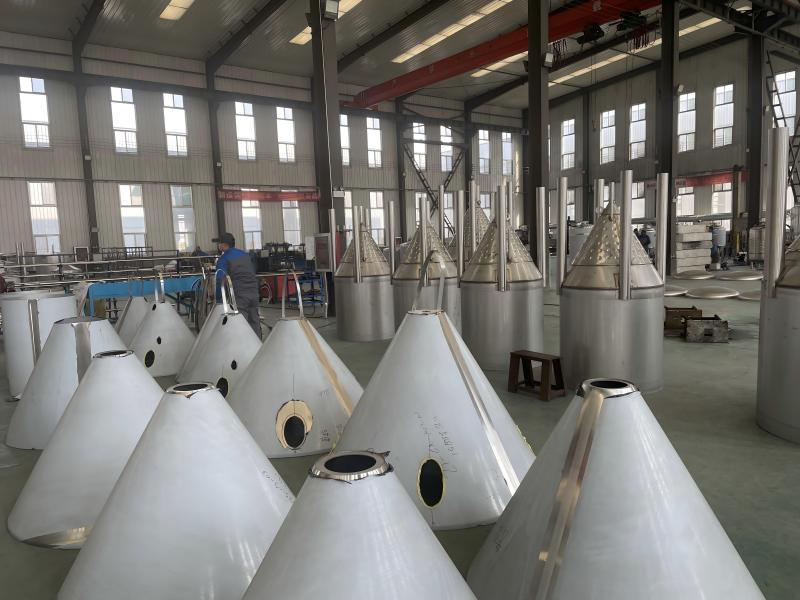
Even the best design depends on proper execution. The manufacturing process plays a crucial role in the final quality of a beer fermentation tank.
Important factors include:
Laser cutting for precision
Automatic welding for uniform seams
Smooth polishing to eliminate dead zones
At Alston, these processes are carefully controlled to ensure that every tank meets high performance and hygiene standards.
Final Thoughts
A well-designed beer fermentation tank is essential for efficient brewing and consistent beer quality. From the conical bottom to the cooling system and internal finish, every detail contributes to the overall performance of the tank.
By understanding these key design features, brewers can make better equipment decisions and avoid common operational issues.